What Institutional Capital Got Right and Where the Model is Being Tested
Senior living has always required access to capital. Communities need financing to acquire, build, renovate, reposition, and sustain assets that serve older adults over long periods of time. Over the past several decades, institutional capital has played an important role in helping the sector grow.
Private equity, REITs, institutional lenders, and other capital providers brought liquidity to a fragmented industry. They supported development, created exit opportunities for owners, introduced more sophisticated underwriting standards, and helped senior living become more visible as an institutional real estate and operating sector. The industry also benefited from stronger reporting, benchmarking, asset management, and portfolio strategy. In many cases, institutional capital allowed operators to expand, recapitalize, or pursue projects that would have been difficult to accomplish through traditional financing channels alone.
The question now is not whether institutional capital has a place in senior living. It does. The more relevant question is whether a given ownership structure and financing strategy are aligned with the way senior living communities actually operate.
Senior Living Requires More Than a Real Estate Lens
Senior living communities are real estate assets, but their performance depends on far more than the physical property. These communities rely on trust, staffing stability, resident experience, local reputation, operating culture, and consistent reinvestment.
Families do not choose a community because of the capital structure behind it. Residents do not experience the financing plan directly. But over time, ownership and financing decisions influence the condition of the building, the stability of the management team, the ability to reinvest, and the flexibility available to the operator.
For many years, low interest rates, available debt, rising valuations, and strong demographic projections supported ownership models built around finite hold periods, refinancing assumptions, and planned exits. Those models worked well in certain market conditions, and many institutional owners invested thoughtfully in the sector.
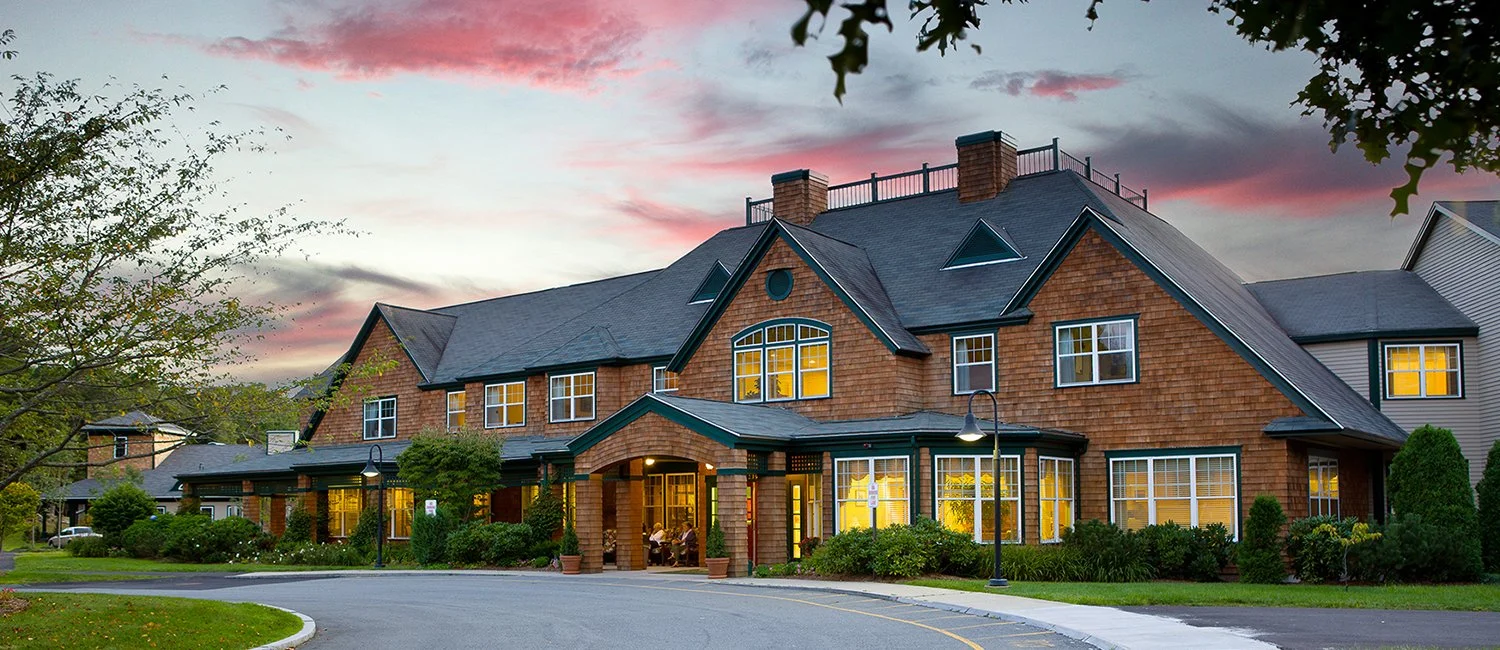
Autumn Glen, Assisted Living and Memory Care in Dartmouth, MA, Northbridge Communities
The current environment is more demanding. Interest rates remain higher than they were for much of the last decade. Construction and labor costs remain elevated. Financing is more selective. Local market performance varies significantly. Operators continue to manage staffing pressure, affordability concerns, regulatory complexity, and ongoing reinvestment needs. At the same time, senior living demand remains strong in many markets, with improved occupancy, slower new supply, and long-term demographic support. Strong demand, however, does not eliminate refinancing risk, covenant pressure, capital expenditure needs, or the operational impact of an ownership structure that depends on a near-term sale or recapitalization.
A well-capitalized ownership structure can support long-term planning. A poorly matched structure can create pressure at the wrong time, even when the underlying community is performing well. The concern is not institutional capital itself, but misalignment between capital expectations and the operating life of the asset in the means by which to advance the enterprise.
Why Ownership Duration Has Become More Important
A senior living community cannot be evaluated only by near-term occupancy, current cash flow, or exit value. Long-term performance depends on the ability to maintain the physical plant, retain leadership, invest in staff, respond to changing resident expectations, and adapt to local market conditions.
These needs do not always fit neatly within a five- to seven-year hold period or a hypothetical refinancing schedule. In many cases, the best decision for the community may be continued reinvestment rather than preparing for a transaction. In others, the right answer may be patience through a temporary operating cycle rather than forcing a sale or recapitalization.
Operators evaluating their next stage of growth, transition, or recapitalization should be asking practical questions about fit:
Does the ownership horizon support the useful life of the asset?
Does the financing structure allow for reinvestment through market cycles?
Does the capital partner understand the importance of operator continuity?
Does the transaction protect the culture and local reputation that helped make the community successful?
These questions are becoming more important as capital markets remain selective and execution risk receives greater scrutiny.
The Role of Nonprofit Ownership
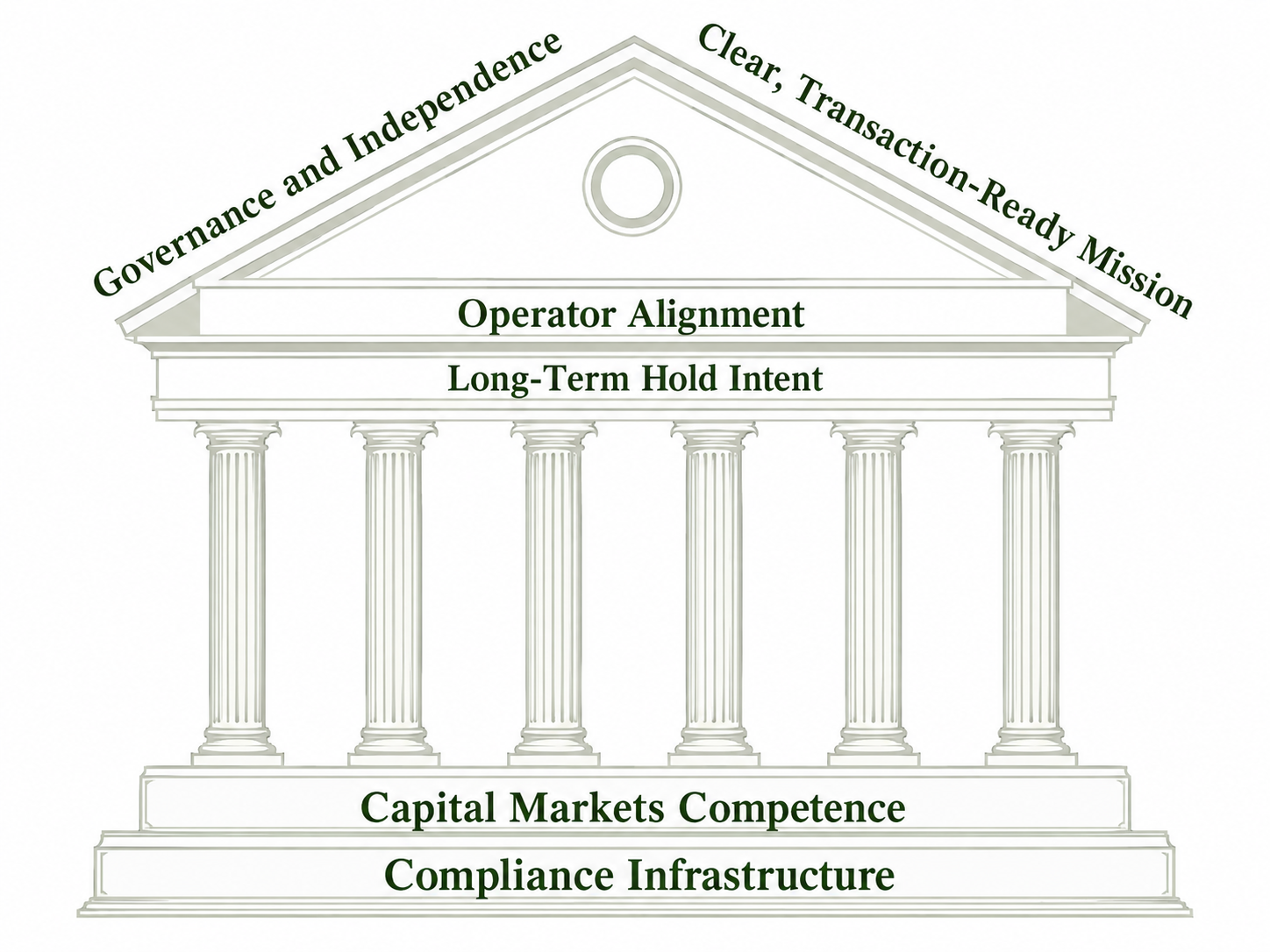
Well-structured 501(c)(3) ownership offers a different framework for addressing some of these pressures.
The value of nonprofit ownership is not based on sentiment. It is based on structure. When properly governed, properly capitalized, and properly managed, nonprofit ownership can align the governance horizon with the long-term life of the senior living asset. This model can reduce pressure from predetermined exit windows and, rather, support decisions focused on reinvestment, continuity, and responsible stewardship.
That is especially relevant for strong regional senior living operators. Many have built excellent businesses with trusted leadership teams, loyal employees, and established local relationships. They may need capital, liquidity, refinancing support, succession options, or a real estate transition, but do not want a transaction that changes the organization’s culture or puts the operating business under short-term pressure. A nonprofit ownership structure can allow the real estate to transition while preserving the operator’s role, identity, and day-to-day control.
This is central to Citadel Housing’s purpose. Citadel was created to own and steward senior housing assets over the long term, with a focus on stability for operators, residents, and communities. Its role is not to replace strong operators, but to create an ownership structure that allows them to continue running communities well.
A More Selective Market Requires Better Alignment
The next phase of senior living capital will likely be defined less by the availability of capital and more by the suitability of capital.
Institutional capital will continue to have an important role in the sector. So will REITs, lenders, private investors, nonprofit owners, and mission-aligned capital providers. The issue is not which category of capital is inherently better. The issue is whether the structure fits the community, the operator, and the intended holding period.
In a more selective financing environment, senior living owners and operators will need to be more disciplined about matching capital to strategy. Structures that depend on aggressive refinancing assumptions or compressed exit timelines may be harder to support. Structures that allow for patient reinvestment, operator continuity, and long-term stewardship may become more valuable.
Institutional capital helped senior living grow and mature. The next challenge is ensuring that capital structures evolve with the needs of the sector.
Senior living communities are not short-term assets. They are operating platforms built around care, trust, workforce stability, and local relationships. Ownership models should be designed with that reality in mind.
About Citadel Housing
Citadel Housing is a 501(c)(3) nonprofit created to own and steward senior housing assets for the long term. Citadel aligns mission-driven ownership with stable capital structures to help preserve high-quality care, support proven operators, and promote continuity for residents, families, staff, and communities.
As a transaction-ready nonprofit partner focused exclusively on senior housing, Citadel provides long-term ownership, access to tax-exempt financing, preservation of operator control and culture, and a capital framework designed around continuity rather than disruption.