Why Nonprofit Ownership Matters in Senior Living
The Strategic Advantage of 501(c)(3) Ownership in a Demand-Strong, Capital-Selective Environment
From the Author:
Complete the form below to download the full white paper, and continue reading about what to look for in nonprofit ownership and whether it is the right next step for you.
For more than three decades, I have advised senior living operators on growth, capital strategy, and long-term sustainability. During that time, the industry has moved through boom-and-bust cycles as well as distinct capital phases: community banking relationships, REIT expansion, private equity acceleration, and broader institutionalization of the asset class.
Each phase brought liquidity and scale. Each also introduced a different set of capital expectations. Both points matter. Institutional capital helped senior living grow, professionalize, and attract broader investment interest. It supported development, liquidity, and scale at a time when the industry needed all three. The issue today is not whether for-profit capital belongs in senior living. It does. The more relevant question is whether the ownership structure, financing strategy, and operating horizon are aligned.
Current senior housing fundamentals are strong. NIC reported that occupancy in the 31 primary NIC MAP markets reached 89.1% at year-end 2025, marking the fourth consecutive year of occupancy gains above 200 basis points, while inventory growth fell to the lowest level on record.[1] At the same time, financing remains disciplined. Ziegler’s early-2026 market commentary shows that long-term senior living yields remain elevated enough to keep debt structure, spread, and execution central to underwriting decisions.[2]
The resulting tension is not simply market uncertainty. It is structural.
Senior living communities operate on long timelines, while some ownership capital still depends on fixed exit windows, refinancing events, or return targets. Independent living, assisted living, and memory care communities require sustained reinvestment, workforce stability, leadership continuity, and resident trust over long periods of time. In that context, ownership and financing structures are not secondary considerations. They directly influence operating durability and financial resilience.
The 501(c)(3) nonprofit ownership model has long offered a different capital framework. In the current environment, that distinction has become more consequential. When properly designed and executed, nonprofit ownership can align long-term stewardship with the economic life of senior living assets and reduce the pressure created by time-constrained equity expectations.
For operators committed to long-term performance, nonprofit ownership of the real estate warrants serious evaluation. Capital structure has become a strategic variable, not merely a financial one.
About
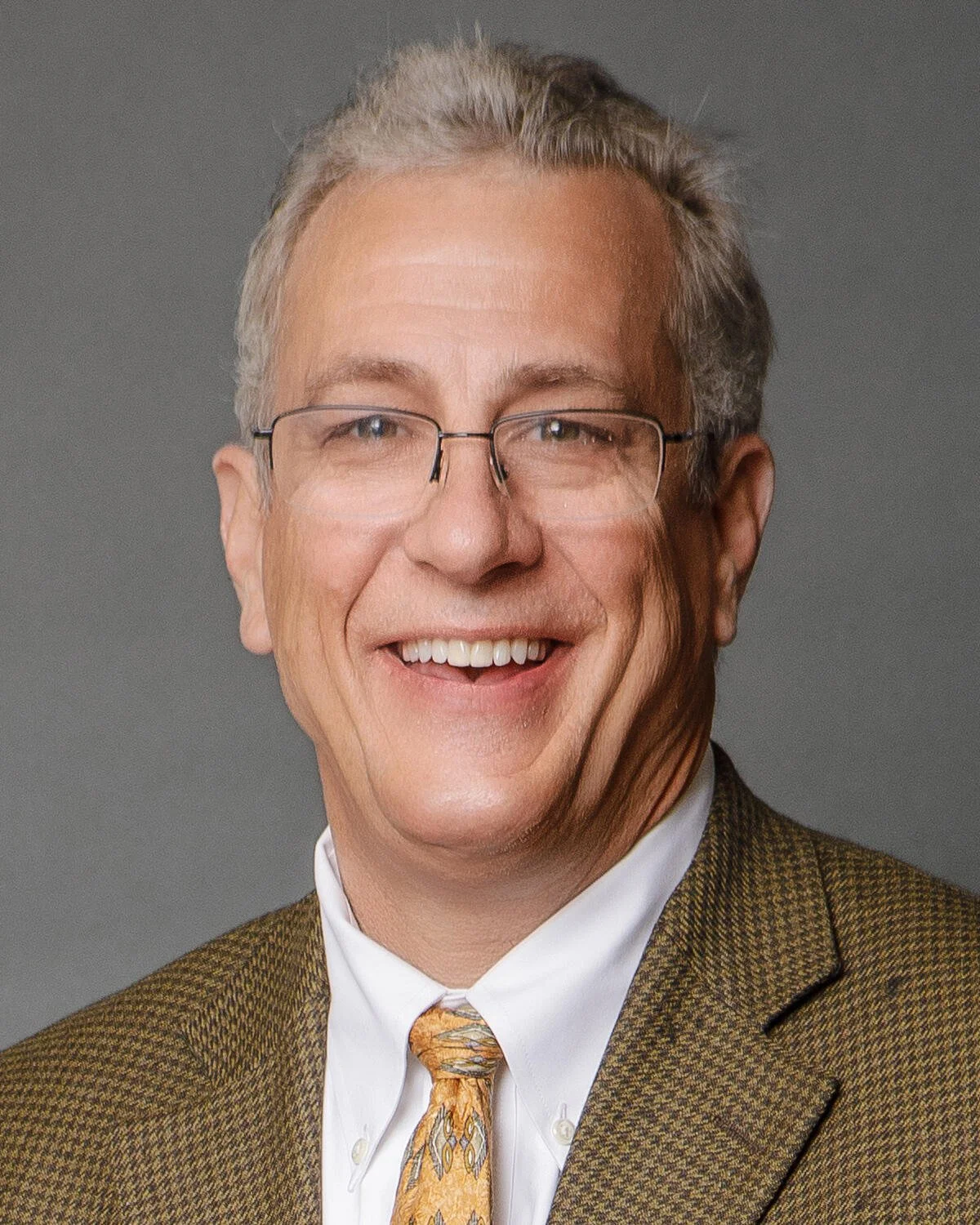
Keith Seeloff:
Keith Seeloff brings over 40 years of experience in the senior living industry, having advised organizations across the full continuum of care—from small nonprofit communities to national providers. Throughout his career, he has partnered with leadership teams to navigate growth, change, and complexity, developing a deep understanding of what drives both performance and mission-aligned impact. Today, he continues to share his insights through writing, focusing on leadership, purpose, and the future of aging services.